Simple Vehicle Safety Checks You Can Do at Home
Most car problems don’t appear out of nowhere. They build up quietly, then suddenly you’re dealing with a warning light, a strange noise, or a flat tyre at the worst possible time. The good news is that a few simple vehicle safety checks at home can help you spot early signs before they become expensive repairs or safety issues.
These checks don’t require tools, mechanical knowledge, or a hoist. They’re quick, visual, and realistic for everyday vehicle owners. The key is knowing what’s normal, what isn’t, and when a home check should turn into a proper inspection by a mechanic in Dubbo you can trust.
Start With a Quick Walk-Around: The 60-Second Check That Picks Up a Lot
A quick walk-around takes less than a minute and can save you hours later. It’s the kind of check that helps you spot changes, like a tyre looking flatter than usual, or something under the car that wasn’t there yesterday. It’s also an easy habit to build before longer drives.
- Look for fresh puddles, drips, or stains under the engine bay and around each wheel
- Check tyres for obvious damage, bulges, or objects lodged in the tread
- Scan lights, mirrors, and bodywork for cracks, loose fittings, or broken lenses
If anything appears to be off, don’t ignore it. A mechanic can confirm whether it’s minor or a sign of a larger issue, and that’s where regular safety checks really pay off.
Tyres Tell the Truth: Pressure, Tread & the Signs You Shouldn’t Ignore
Tyres significantly impact braking, handling, and fuel consumption. They also give early clues about alignment, suspension, and wheel balance problems. A tyre that looks “fine” can still be under-inflated or worn in a way that increases stopping distance, especially on wet roads.
- Check tyre pressure when tyres are cold, using the vehicle placard for the correct PSI
- Look at tread depth across the full tyre, not just in the centre
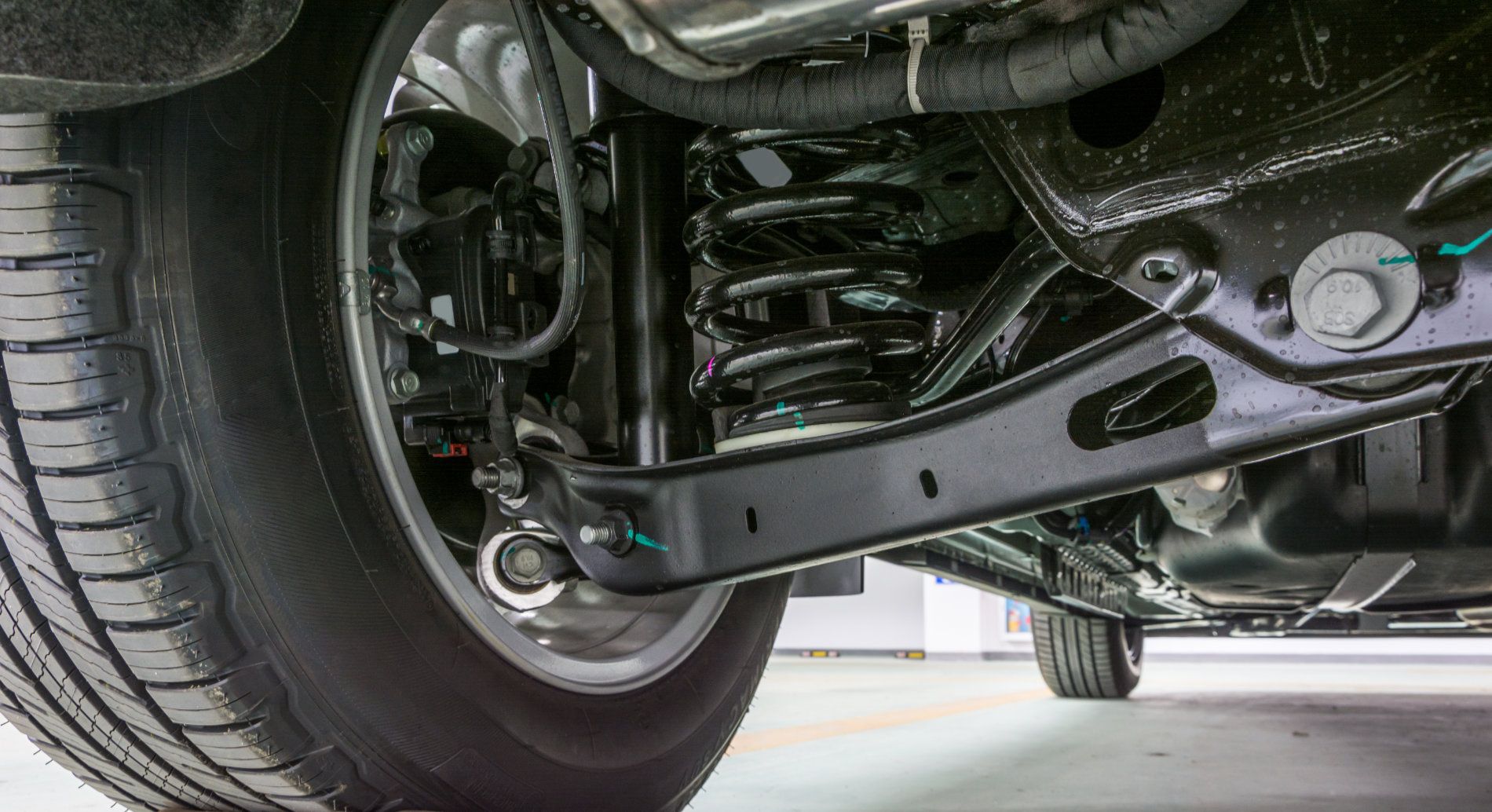
- Watch for uneven wear, feathering, or bald edges, which can signal alignment or suspension issues
If tyre wear looks uneven, it’s worth booking in for a professional inspection. A workshop can assess alignment, rotation, and suspension components, all of which are essential for proper vehicle safety checks.
Under the Bonnet Basics: Fluids That Keep Your Car Safe and Reliable
Fluids are easy to check and often highlight early problems. Low oil, low coolant, or dirty brake fluid can affect performance and safety. You don’t need to know everything about engines, but you do need to recognise when levels are consistently dropping.
- Check engine oil on level ground, using the dipstick, and note colour and consistency
- Check coolant level only when the engine is cold, and never remove a hot radiator cap
- Look at brake fluid level and colour, as dark fluid can indicate it’s due for replacement
If any fluid continues to drop, it usually means there’s a leak. That’s not something to ignore. A mechanic can locate the cause and prevent a minor issue turning into a breakdown.
Lights, Indicators and Wipers: Small Fixes That Prevent Big Problems
Lights and wipers are easy to forget until you need them. A blown globe or worn wipers might seem minor, but poor visibility and unclear signalling are serious safety risks, especially in rain or early morning traffic.
- Check headlights, brake lights, indicators and reverse lights, and confirm they’re bright and working
- Inspect wiper blades for splits, hard rubber, or streaking on the windscreen
- Top up washer fluid and make sure the jets spray properly and don’t block
Replacing globes and wipers is often quick, but if you’re constantly replacing them, it may signal an electrical issue or incorrect parts. A mechanic can check the system during routine safety checks.
Listen & Feel: Sounds, Smells and Vibrations That Mean “Book It In”
Cars communicate. Not with words, but with noise, vibration and smell. If something feels different, it’s usually because something has changed, and waiting rarely improves it. Early diagnosis can prevent damage and reduce repair costs.
- Squealing or grinding noises can point to brake wear, worn bearings, or belt issues
- A burning smell may indicate oil leaks, overheating, or electrical faults
- Vibrations through the steering wheel can relate to tyre balance, suspension wear, or alignment problems
If the car feels unstable, sounds harsh, or behaves differently at speed, it’s time for a proper inspection. Home checks are useful, but they can’t confirm the cause the way diagnostics can.
Brake Confidence Check: What You Can Assess Without Tools
Brakes are one system you don’t want to take chances with. You can’t measure brake pad thickness at home, but you can assess how the brakes feel and respond. If anything feels unusual, it’s safer to stop driving until it’s checked.
- The brake pedal should feel firm and responsive, not spongy or soft
- The car should stop smoothly without pulling to one side
- Any grinding, pulsation, or squealing should be treated as a warning sign
Brakes are a common reason people book in for safety checks, and for good reason. A mechanic can measure pad wear, inspect rotors, and check brake fluid properly, which can’t be done from a driveway.
Battery & Belts: Catching Failures Before You’re Stranded
Batteries and belts often fail with minimal warning, especially in vehicles that do short trips or sit unused for periods. A battery might still start the car today, but it will slowly lose capacity until it suddenly stops working.
- Look for corrosion around battery terminals and ensure the battery is secured properly
- Pay attention to slow cranking, flickering lights, or electrical glitches
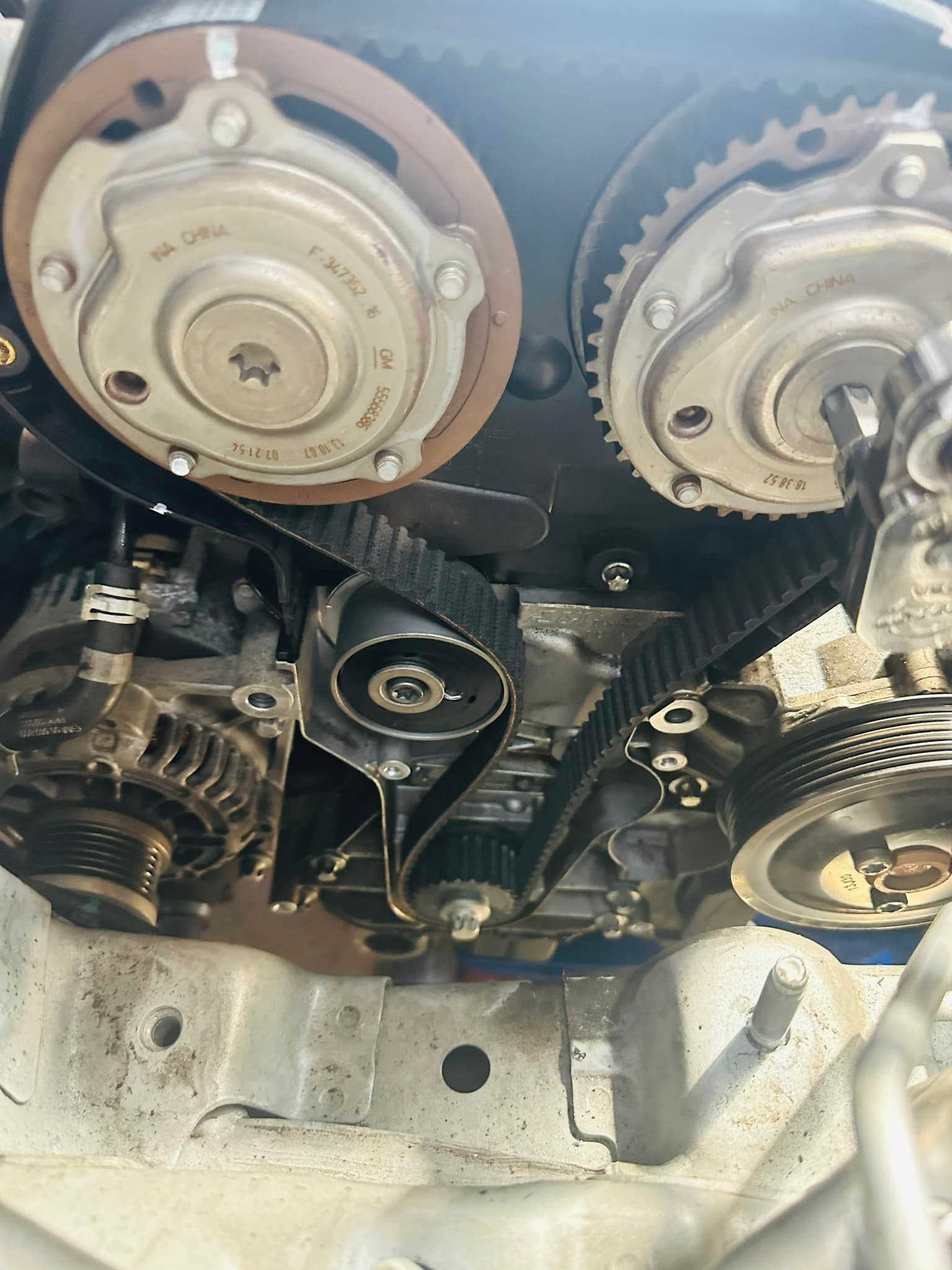
- Check belts for cracks, fraying, or a squeal on start-up
A mechanic can load-test the battery properly and inspect belt tension and condition. These checks are usually quick but can prevent the kind of breakdown that leaves you stuck with a dead car and a tow bill.
When a Home Check Isn’t Enough: The Value of Regular Safety Checks by a Mechanic
Home checks help you notice changes early, but they’re not a replacement for a professional inspection. Many safety issues sit underneath the car, inside braking systems, or within suspension components that need proper tools to assess.
- A workshop inspection covers brakes, steering, suspension, tyres, battery health, and leaks in detail
- Regular services help prevent small issues becoming major failures, especially with high-kilometre vehicles
- If you want a deeper look at how inspections protect your budget, read 'Why Regular Vehicle Inspections Save You Money in the Long Run'
Professional safety checks give you certainty, especially before trips or when you’ve noticed a change in how the car feels.
Need a Mechanic in Dubbo?
If you’re driving around Dubbo, long distances, hot weather, and rougher road conditions can put extra pressure on tyres, cooling systems and suspension. If you’ve conducted a few home safety checks and something still doesn’t feel right, it’s worth getting it inspected properly. Here at Tom Duggan Mechanical we carry out thorough vehicle safety checks and servicing to help keep your car reliable and safe on the road. Book an inspection or get in touch with our team if you need a mechanic in Dubbo.